This solution allowed projects to move forward with assurance and less disruption.
At East Coast Power, exceeding stringent electrical specifications is as much a function of culture as it is technical proficiency. It requires a culture of trust, collaboration, and quick troubleshooting. Unlike most manufacturers, East Coast Power fosters a team culture across all divisions from engineering and project management to sales and the shop floor. This case study illustrates how internal communication and common vision translate into routine project success.
Contact UsIn today’s high-speed world of power distribution and custom switchgear production, difficulties can develop in an instant. A communication slowdown, misaligned departments, or ignored issues can lead to expensive mistakes or scheduling setbacks. Prior to coming aboard at East Coast Power, most team members had worked in environments where silos and poor communication had slowed things down.
The East Coast Power Systems company recognized that the key to beating those inefficiencies was open communication. The catch? Making open communication a part of every department so that no problem, technical or otherwise, would ever be left unsolved.
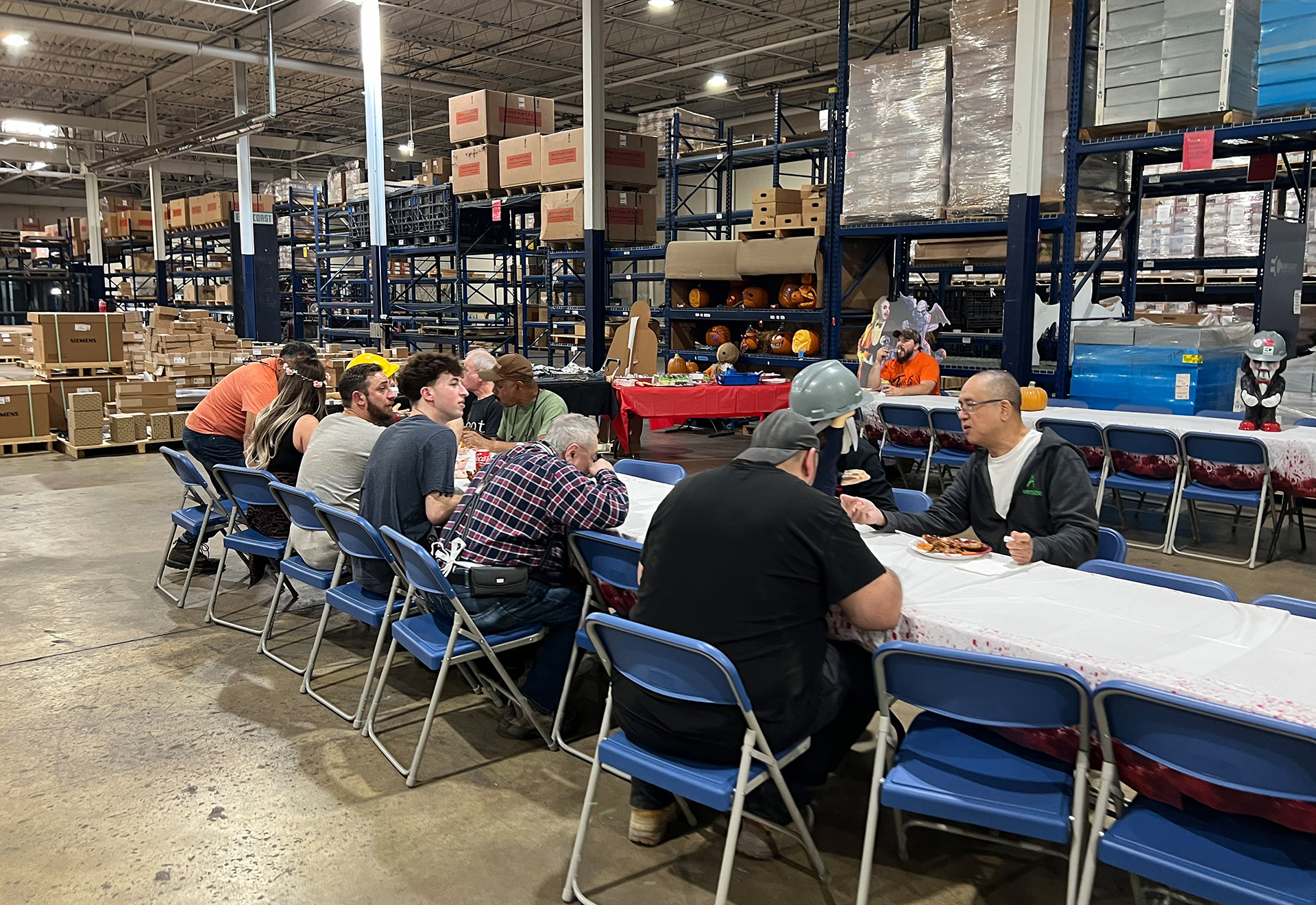
The vision for leadership was one of a firm where communication not only is encouraged but expected. They envisioned an environment of partnership where employees would feel safe to voice potential issues or suggestions early and frequently.
The policy would allow team members to expect problems and handle them in advance, thereby streamlining their workflow and making it more responsive. By creating a “family-style” culture, they envisioned eliminating tension and setting the foundation for error-free project delivery in spite of tight deadlines and complex scopes.
Contact Us
The strategy was simple but powerful: destroy departmental silos and create an open platform for problem-solving. No matter where the issue began, be it engineering, sales, or the factory floor, every voice was heard. Regular team huddles and project review meetings ensured transparency, while an open-door policy encouraged employees to sound alarms the instant a potential problem was discovered.
This wasn’t just about fixing problems; it was about preventing them. By making open communication the norm, the team was able to bypass delays and inefficiencies before they even occurred.
Contact UsSuccess was a function of a couple of key factors:
Proactive Communication:
Team members felt encouraged to bring up problems early on, often resulting in collaborative brainstorming sessions that immediately addressed the problem.
Cross-Department Trust:
Production, project management, engineering, and sales operated as a unified team and not as separate teams.
Problem Prevention Culture:
Instead of reacting to failures, the team avoided them by identifying risk during planning and execution phases.
This solution allowed projects to move forward with assurance and less disruption.
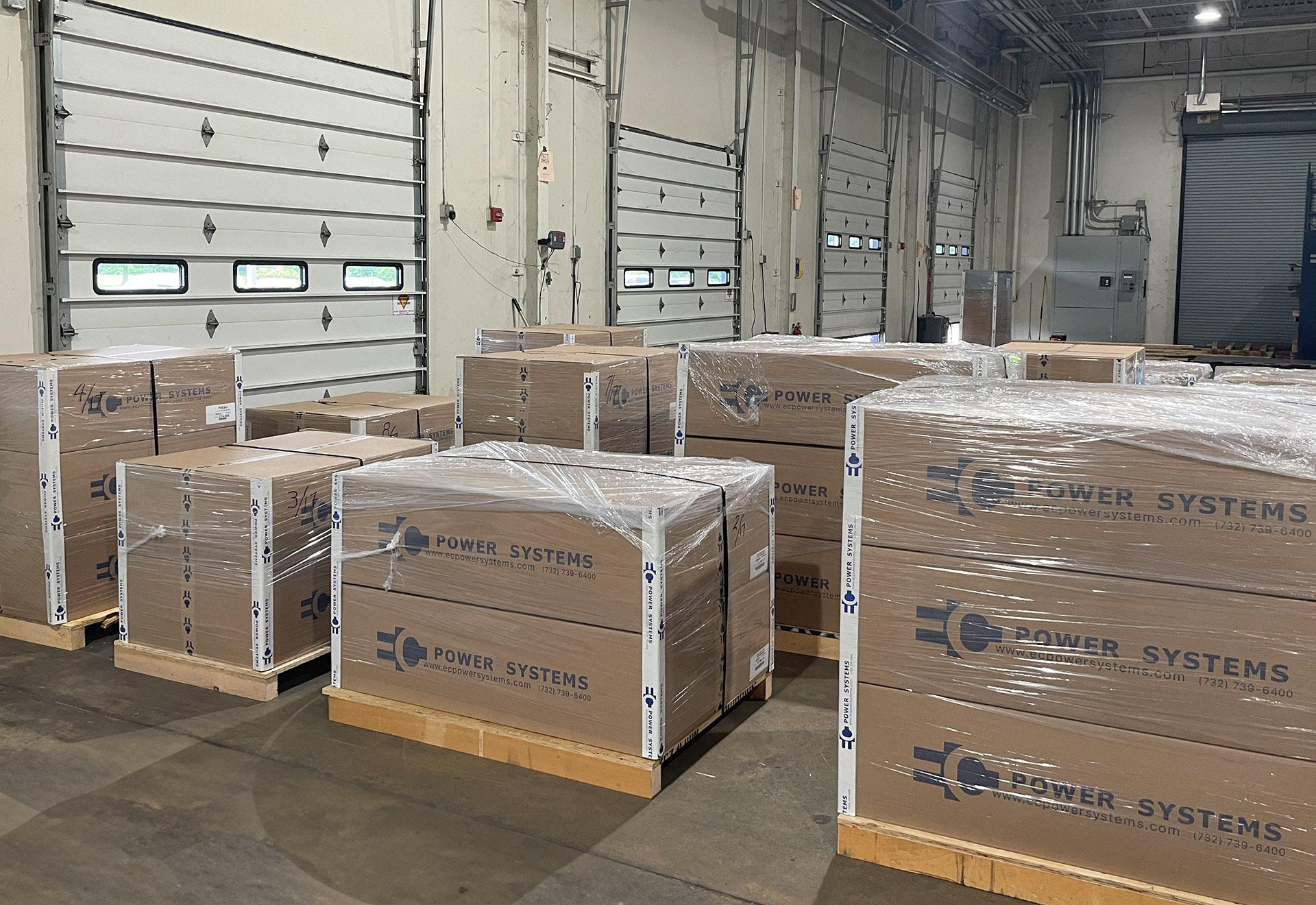
While the case study is focused on internal culture, East Coast Power Systems’ success also relies on the performance of their industry-leading products. The personnel usually builds and services:
All of the products are designed, built, and tested internally, reinforcing the focus on quality control and communication in every process.
Contact Us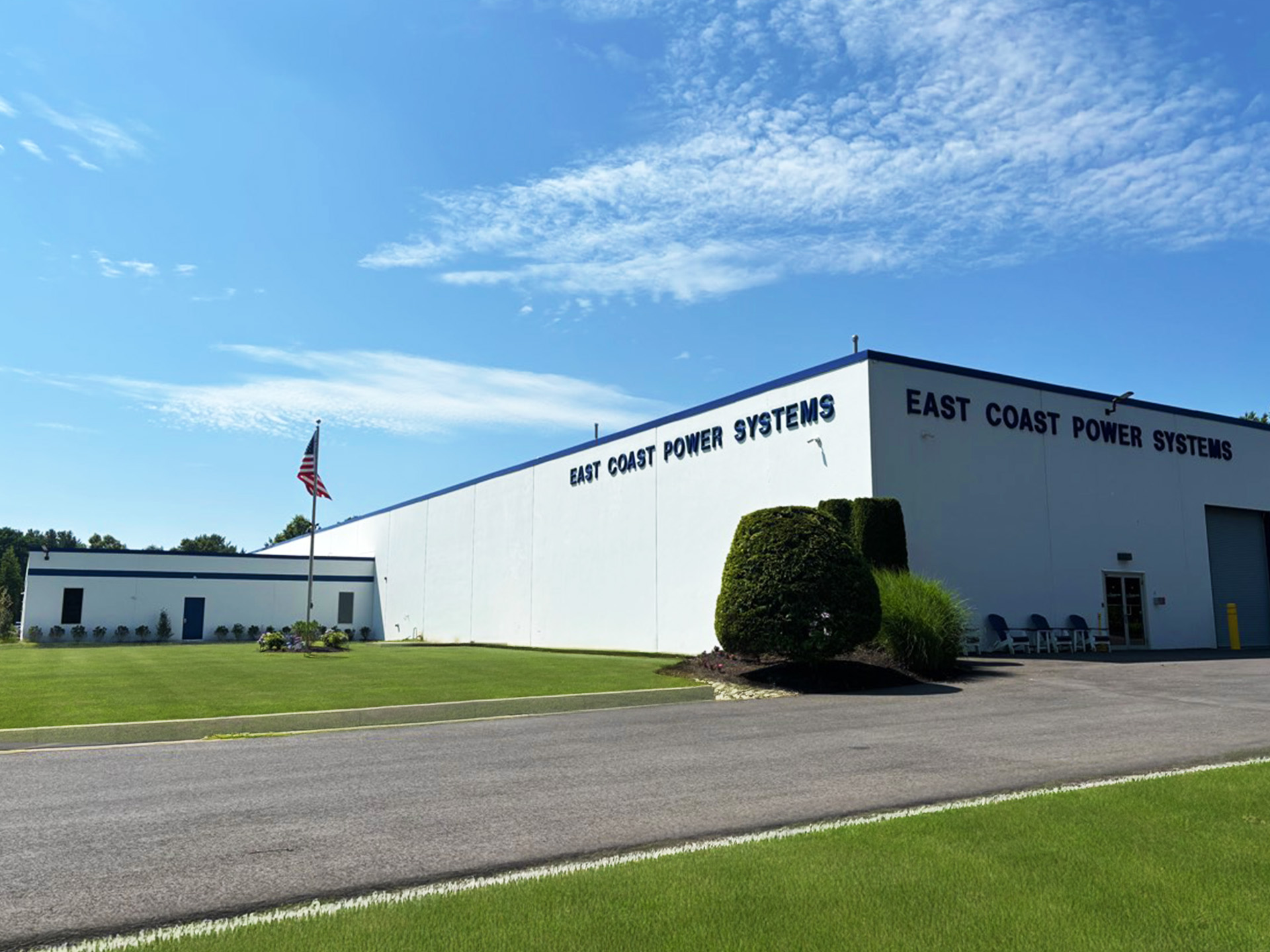
Through the infusion of a team culture into every area of the company, East Coast Power Systems has created a working environment where projects thrive and customers are able to depend on dependable results. All can be certain of being able to achieve any specification, through an overall philosophy of openness, trust, and accountability.
It’s not just the gear that makes East Coast Power unique, it’s the people who stand behind it.
Contact UsEast Coast Power Systems combines technical expertise with strong internal communication, cross-department collaboration, in-house manufacturing, and a problem-prevention mindset. This approach helps the team identify issues early and keep complex electrical projects moving efficiently.
Clear communication between engineering, project management, sales, and production helps identify potential issues before they become delays or costly mistakes. East Coast Power Systems uses regular team communication and project reviews to keep departments aligned throughout the manufacturing process.
The East Coast Power Systems team focuses on identifying risks during planning and production rather than waiting until a problem occurs. Open communication, collaborative troubleshooting, and early issue escalation help reduce disruptions and keep projects on schedule.
Yes. East Coast Power Systems designs, manufactures, and tests its electrical equipment internally. Keeping these capabilities in-house helps improve communication between departments and provides greater control over product quality throughout the project.
East Coast Power Systems manufactures a range of power distribution equipment, including UL 891 switchboards, UL 1558 switchgear, customized power distribution centers, generator docking stations, utility cabinets, and transfer switches.
Custom switchgear projects often require coordination between engineering, manufacturing, project management, and sales. When these departments work together closely, design questions can be resolved faster, production issues can be addressed earlier, and the project is less likely to experience avoidable delays.
Companies should consider technical capabilities, in-house engineering and manufacturing resources, quality-control processes, communication practices, customization capabilities, and the manufacturer’s ability to meet project schedules. A strong power systems partner should be able to coordinate these areas throughout the project.